The everyday baseline
Homemade or Raw Dog Food: What the Research Says About Nutrient Gaps
A UC Davis study found 95% of homemade dog food recipes fell short on at least one essential nutrient. How to cook for your dog without leaving gaps.

Quick answer
Home-cooked and raw meals can work well for dogs, but most published recipes come up short. A UC Davis study of 200 homemade dog food recipes found 95% were low in at least one essential nutrient and more than 83% were low in several. The reliable fix is a recipe balanced by a board-certified veterinary nutritionist. A daily supplement can help round out meals, but it cannot replace a balanced recipe.
What the research found
Researchers at the UC Davis School of Veterinary Medicine analyzed 200 recipes from 34 sources, including veterinary textbooks, pet care books and websites. The findings were published in the Journal of the American Veterinary Medical Association in 2013.
- Only 9 of the 200 recipes provided all essential nutrients at AAFCO's minimum levels for adult dogs.
- Nutrients commonly short included choline, vitamin D, zinc and vitamin E.
- 92% of recipes were vague enough that owners had to guess about at least one ingredient, preparation step or supplement.
- 85% did not list calories or say what size dog the recipe was for.
The researchers also noted that rotating between recipes for variety is unlikely to solve the problem, because so many recipes shared the same gaps. The four recipes in the study written by board-certified veterinary nutritionists all had acceptable nutrient profiles.
Why it is so easy to miss something
- Dogs need dozens of essential nutrients, many in specific ratios to each other.
- Calcium and phosphorus balance is easy to get wrong in meat-heavy meals.
- Small swaps, like a leaner cut of meat or skipping the supplement a recipe calls for, change the whole nutrient profile.
- Portions that are right for a 20 lb dog are wrong for a 70 lb dog, and most recipes do not say which they are for.
How to feed homemade or raw the right way
- Get a recipe from a board-certified veterinary nutritionist, or a service run by one.
- Follow it exactly, including any supplements it specifies.
- Weigh ingredients instead of eyeballing them.
- Recheck the plan with your vet at annual visits and whenever your dog's age, weight or activity level changes.
- If you feed raw, handle it like raw meat for people: separate prep surfaces, and wash hands, bowls and counters afterward.
Where a daily multivitamin fits
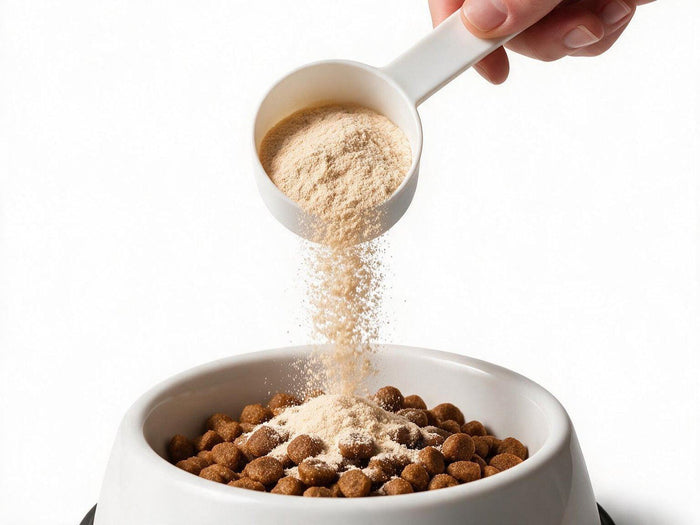
Think of a general multivitamin as a top-up, not a fix. If your dog eats a balanced homemade plan, a mix of kibble and fresh food, or a lot of toppers, a daily scoop can help round out everyday meals.
Puptein Multivitamin adds a B-vitamin and mineral complex with zinc and manganese, vitamins C and E, a six-strain probiotic blend, omega oils from salmon and hemp seed, and glucosamine with chondroitin. It does not replace a nutritionist-balanced recipe. If you cook for your dog, share our ingredient list with your vet or nutritionist so they can account for it in the plan.
FAQ
Is homemade dog food healthier than kibble?
Not automatically. A balanced homemade diet can be a great option, but an unbalanced one can leave a dog short on essential nutrients over time. Commercial foods labeled "complete and balanced" are formulated to meet AAFCO minimums.
Do raw-fed dogs need supplements?
Many raw recipes need added vitamins and minerals to be complete. The right answer depends on the specific recipe, which is why a nutritionist-designed plan matters.
Can a multivitamin make any homemade recipe complete?
No. A general multivitamin is not designed to correct a specific recipe's shortfalls, such as calcium, choline or vitamin D. Those need to be solved in the recipe itself.
What nutrients are most often missing in homemade dog food?
In the UC Davis study, common shortfalls included choline, vitamin D, zinc and vitamin E.
This article is for general education and is not a substitute for advice from your veterinarian. These statements have not been evaluated by the Food and Drug Administration. Puptein products are not intended to diagnose, treat, cure or prevent any disease.